
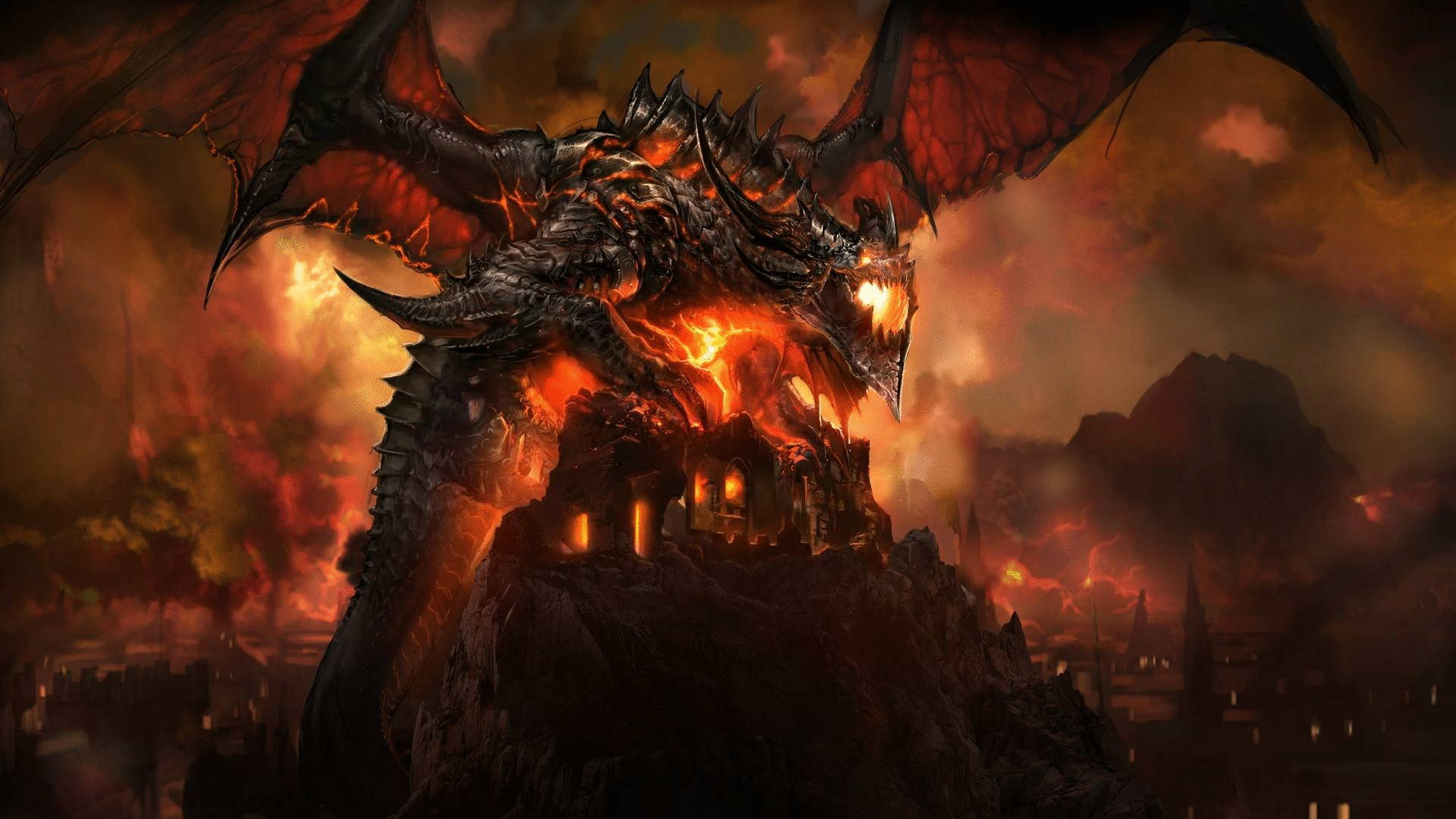
Raid encounter design has increasingly moved away from short, explosive damage checks toward sustained pressure that tests consistency over time.
Rather than hinging success on a single burn window, modern fights challenge groups to maintain execution, awareness, and resource management across extended phases.
Pressure Is Distributed Across the Fight
Instead of isolating danger into brief moments, encounters now apply steady strain through recurring mechanics, environmental hazards, and attrition-based damage.
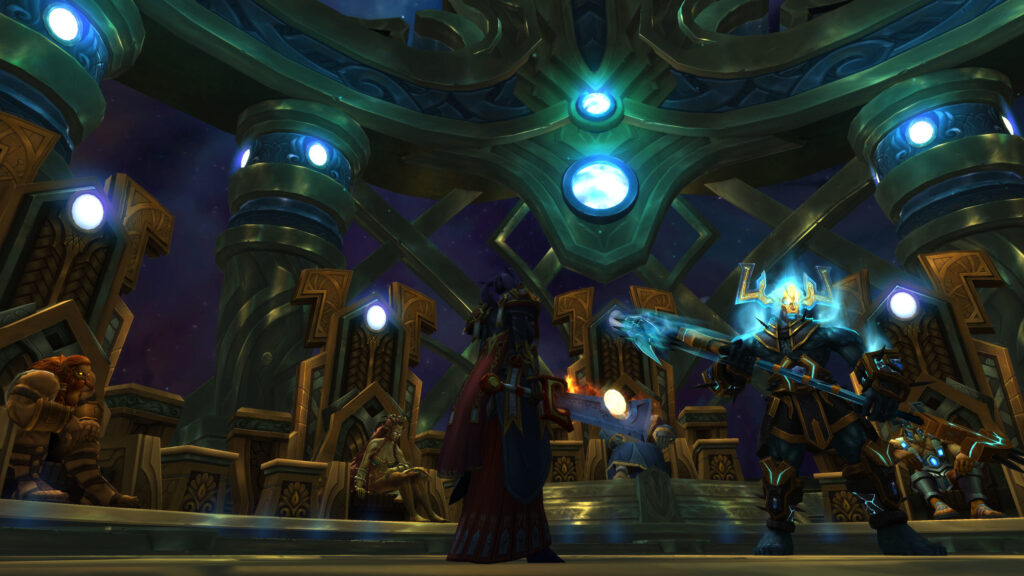
This design rewards groups that remain composed for the entire duration rather than those relying on perfect burst alignment.
Consistency Becomes the Primary Skill Test
Small mistakes accumulate under sustained pressure. Missed interrupts, poor positioning, or inefficient movement gradually erode stability.
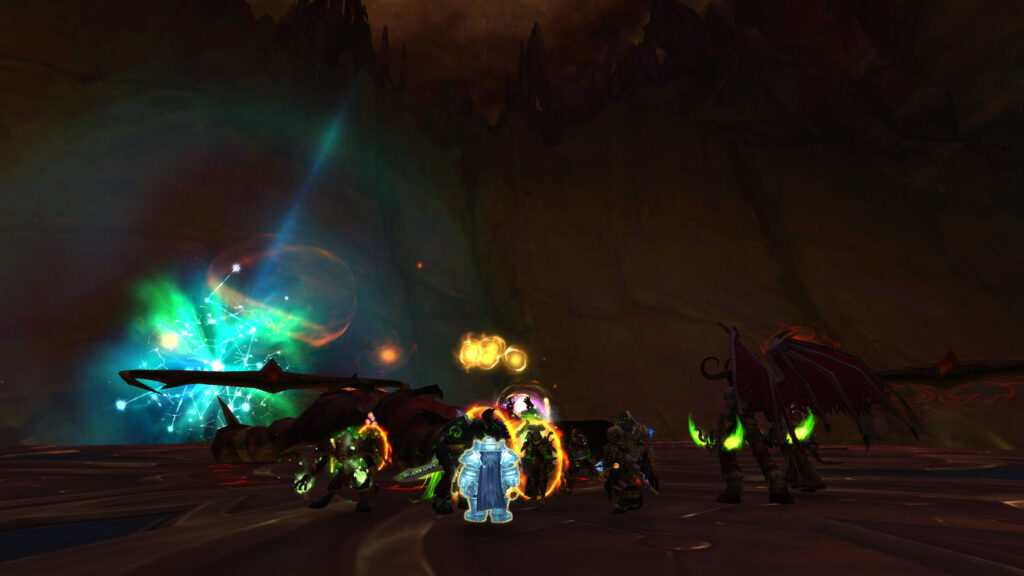
Groups that execute cleanly over time outperform those capable of high peaks but inconsistent fundamentals.
The Importance of Micro-Mechanic Density
To maintain sustained pressure, modern raid encounters increase the density of “micro-mechanics”—small, frequent tasks that demand individual attention. These might include targeted ground effects, rotational responsibility for defensive stacks, or rapid target switching. While individually manageable, the sheer volume and low downtime between these tasks prevent players from ever relaxing their focus. This forces DPS, healers, and tanks alike to integrate mechanic resolution seamlessly into their primary rotations, punishing any player who attempts to tunnel vision on maximum output.
Resource Management Gains Importance
Longer pressure windows place greater emphasis on cooldown pacing, mana efficiency, and defensive planning. Burning resources too early leaves groups exposed later, while disciplined usage creates resilience throughout the encounter.
| Design Shift | Old Emphasis | Current Emphasis |
|---|---|---|
| Damage profile | Short burst spikes | Continuous strain |
| Win condition | Perfect burn phase | Sustained execution |
| Cooldown usage | Stacked alignment | Long-term pacing |
| Failure cause | Missed burst | Accumulated errors |
Staggering of High-Cost Abilities
In a sustained pressure environment, the strategic value of high-cost, long-cooldown abilities (like battle-resurrections or powerful defensive externals) multiplies. Groups must carefully plan and stagger the use of these “panic buttons” throughout the entire fight timeline, often tying them to predictable mid-fight pressure points rather than using them purely for emergencies.
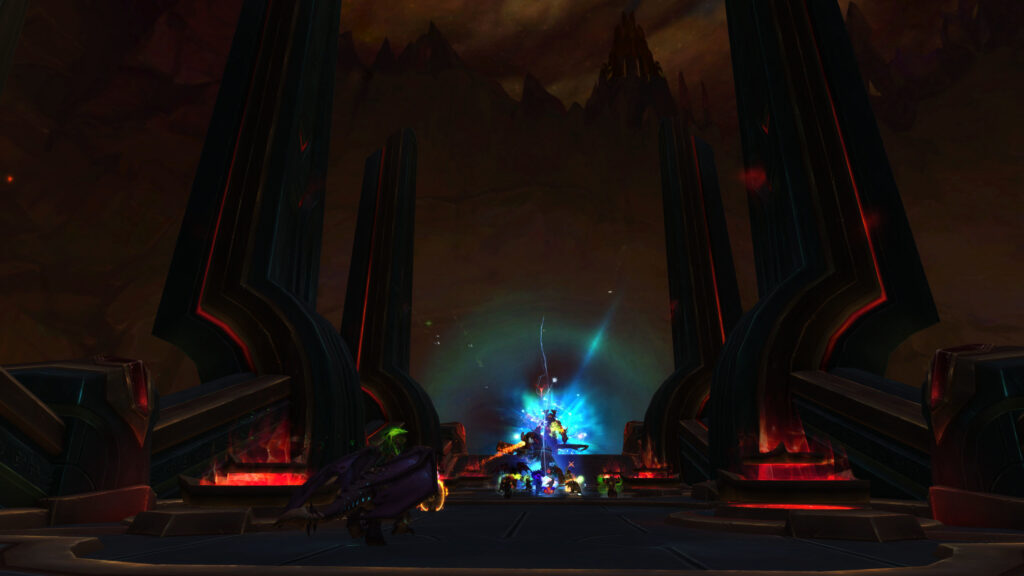
Running out of these critical stabilizers before the final phase almost guarantees a wipe, reinforcing the need for fight-long pacing over immediate crisis resolution.
Flow Encourages Mental Endurance
Extended pressure challenges focus and communication over time. Maintaining clarity late in fights becomes just as important as early execution. Groups that manage fatigue and stay synchronized gain a decisive edge.
Conclusion
Raid encounter flow has shifted toward sustained pressure instead of short burst checks.
This evolution rewards consistency, planning, and endurance, redefining what mastery looks like in modern raid progression.

- Shattered Sun Offensive Commendations: Unlocking Epic Title Rewards in World of Warcraft TBC – August 8, 2026
- Entering the Insectoid Hive: The Crucial Mechanics You Need to Beat AQ40 – June 27, 2026
- World of Warcraft Midnight Lore Deep Dive: Who is Dimensius the All-Devouring and Why Does He Want the Sunwell? – May 17, 2026



Leave a Reply